Finding the right partner to collaborate with Chinese companies requires shifting from traditional Western email-based networking to high-context, mobile-first engagement platforms. The most successful business development strategies in China rely on establishing trust through a verified local presence, leveraging B2B platforms for discovery, and maintaining communication via instant messaging. You must validate the legal status of potential partners through the National Enterprise Credit Information Publicity System (国家企业信用信息公示系统) to ensure you are dealing with a legitimate entity before entering into any formal discussions or transferring funds.
Using Alibaba and 1688 for Lead Discovery
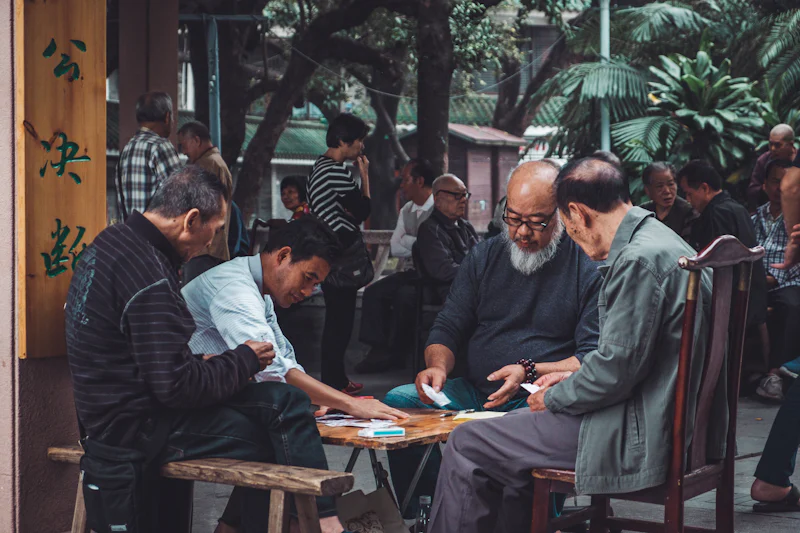
Alibaba is the standard starting point for international buyers, but for deeper integration, use 1688.com, the domestic wholesale marketplace. While Alibaba features English-speaking support, 1688 offers more competitive pricing and direct access to manufacturers, provided you can navigate the site in Chinese or use a professional sourcing agent. When vetting, prioritize suppliers with the "Verified Supplier" badge and look for a tenure of at least three to five years. Avoid companies that are exclusively trading houses if your goal is low-cost manufacturing; you want to find the 工厂 (factory) itself to ensure better quality control and margin management.
Navigating WeChat for Relationship Building
In China, business development happens on 微信 (WeChat). Once you make initial contact on a B2B site, request a WeChat ID immediately. This shift is critical because it signals a transition from a cold lead to a developing partnership. Use the platform for quick updates, sharing documents, and verifying identity through video calls. Always maintain a professional profile; your "Moments" feed functions as a business portfolio. If a supplier refuses to provide a WeChat contact or insists on keeping all communication on a third-party platform, consider this a red flag regarding their commitment to a long-term business relationship.

Conducting Due Diligence on Partners
Before finalizing any agreement, perform an audit of the company's business license, known as 营业执照 (Yingye Zhizhao). This document contains the Unified Social Credit Code, which allows you to look up their registration details, capital amount, and any history of legal disputes. If a potential partner claims to be a large-scale manufacturer, cross-reference their registered capital and business scope. Many small agencies masquerade as factories; checking their license is the simplest way to confirm if they actually have the manufacturing credentials they claim to possess.
Mastering B2B Communication Norms
Effective communication in China is high-context. Avoid aggressive negotiation tactics in the initial stages. Instead, focus on building 关系 (Guanxi), or personal connection. This does not mean you must become best friends, but it does mean acknowledging the hierarchy and showing respect to the decision-makers. Always ensure your requirements are documented clearly in both English and Chinese to avoid ambiguity. When using B2B marketing tools, tailor your messaging to highlight how your partnership solves a specific pain point for their firm, rather than just asking for a quotation.
Successful partnerships in China are built on verified credentials, daily WeChat engagement, and a clear understanding of the difference between wholesalers and manufacturers.
What is the biggest challenge you have faced when trying to verify the credentials of a potential Chinese supplier?
Quick Takeaways:
- Verify company legitimacy using the National Enterprise Credit Information Publicity System online.
- Shift communications from email to WeChat early to build rapport and trust.
- Distinguish between factory direct manufacturers and trading houses on 1688.
- Request and audit the official business license before signing any contracts.
#workandbiz #chinabusiness #sourcingchina
