Calculating your 30-day China L visa stay begins the moment you pass through immigration, meaning the day of your arrival counts as Day 1. Many travelers mistakenly assume the 30-day clock starts the following morning, but immigration authorities count the day of entry as a full day of your permitted stay. To avoid a costly visa overstay penalty in China, you must calculate your exit date by counting exactly 30 calendar days inclusive of your entry date. Relying on an automated calculator or manual counting remains the safest way to ensure your departure remains legal.
The Calculation Logic of Entry and Exit
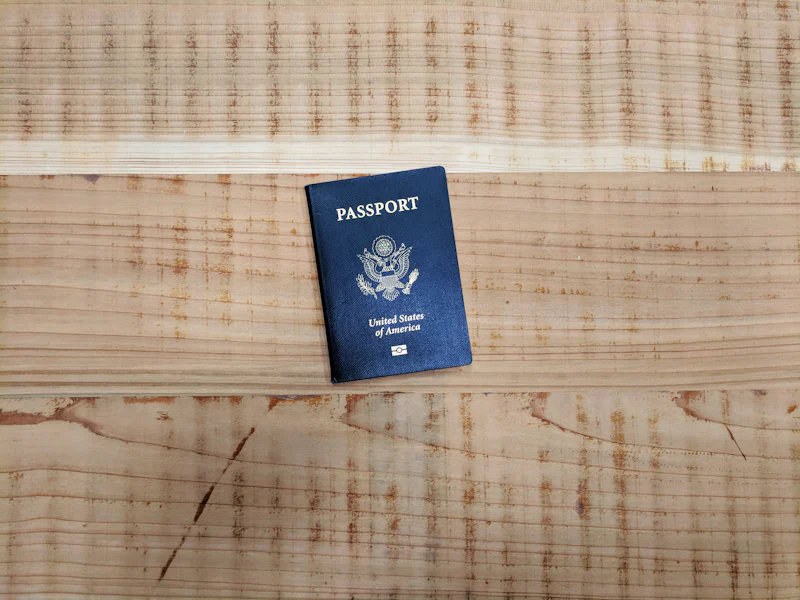
Your visa validity is governed by the specific 入境时间 (entry time) stamped in your passport by the border officer. If you land in Shanghai or Beijing on the 1st of the month, your 30th day of legal stay is the 30th of that same month. Overstaying by even one day can result in a fine of 500 RMB per day, capped at a total of 10,000 RMB, or even detention for serious violations. Always verify the date stamped in your passport rather than relying on your flight itinerary, as flight delays that cross over into a new calendar day can officially alter your entry date.
Monitoring Your Stay via Mobile Tools
While you are in China, you can use 支付宝 (Alipay) or 微信 (WeChat) to manage many aspects of your daily life, but they do not provide live countdowns for your visa status. Keep a physical or digital note of your "must-leave-by" date. If your itinerary involves complex travel through multiple transit cities, ensure you calculate your exit based on the initial port of entry. Remember that your 停留期限 (duration of stay) is non-negotiable; even if you experience unforeseen illness or transport issues, the PSB (Public Security Bureau) rarely grants extensions for standard L (tourist) visas without significant evidence of hardship.
Avoiding Common Overstay Pitfalls
Frequent travelers often confuse the "Enter Before" date with the "Duration of Stay." The "Enter Before" date printed on your visa is the deadline by which you must arrive in China. The "Duration of Stay" is the clock that starts ticking once you have physically cleared customs. Never assume a 30-day window is exactly one month; months fluctuate between 28, 30, and 31 days. Always count the physical days on a calendar. If you intend to stay longer than your visa allows, you must visit the Exit-Entry Administration office at least 7 days before your visa expires to inquire about a potential extension, though this is rarely granted for tourist visa holders.
Managing Transit and Departure Logistics
When booking your return flight, aim to leave at least 24 hours before your absolute deadline. Transportation delays, such as high-speed rail cancellations or flight rescheduling, do not constitute legal excuses for overstaying. If you encounter an emergency, contact your home country's embassy or consulate immediately for guidance. They cannot change your visa status, but they can provide documentation or translation support if you find yourself interacting with the local authorities due to an accidental oversight regarding your departure timing.
Accurate counting requires treating your day of entry as the first day of your total allowed stay. What strategies do you use to track your visa expiration dates when traveling abroad?
Quick Takeaways:
- The entry date stamped in your passport counts as Day 1 of your stay.
- Avoid visa overstay penalties by counting 30 full calendar days including entry date.
- Calculate departure dates manually using a calendar to avoid errors with month lengths.
- Visit the local exit-entry bureau one week early if you face emergency extensions.
#visatips #expatchina #chinalvisa
