Renting an apartment in Beijing as a foreigner is entirely manageable if you prioritize the correct platforms and strictly adhere to the mandatory legal registration process. The most critical step is ensuring your landlord is willing to facilitate the police registration, as your stay is legally tied to this record. Do not sign any rental contract until you have verified that the unit can be registered under your name at the local police station, as failure to do this can lead to daily fines and jeopardize your residence permit.
Navigate rental platforms wisely
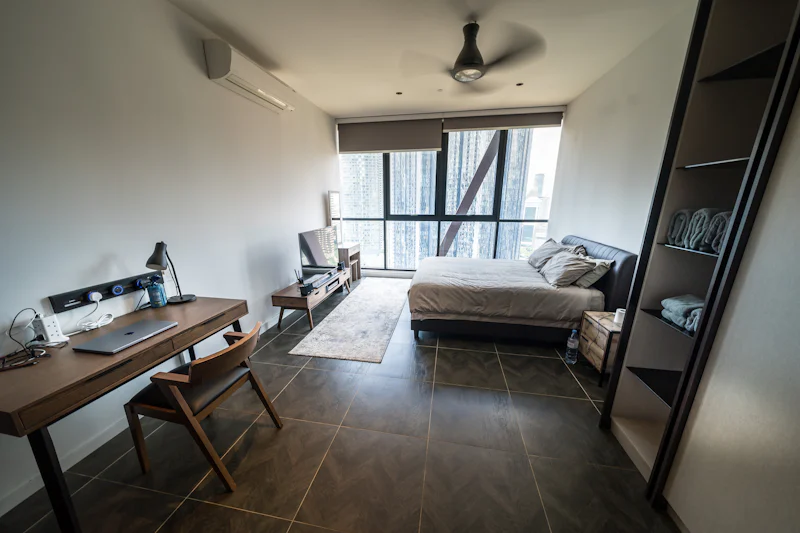
For those who prefer a streamlined experience, 自如 (Ziroom) is the most popular choice for expats. It operates as a professional rental management agency, providing furnished apartments with standardized contracts. Because they handle everything, the registration process is usually seamless. Alternatively, 链家 (Lianjia) offers a wider range of properties if you are looking for long-term options outside of managed communities. Regardless of the platform, always download the 支付宝 (Alipay) app, as it often integrates with housing services and makes utility payments much easier to track.
Understand the housing deposit and fees
Standard rental terms in Beijing usually follow the 'ya-san-fu-yi' (押三付一) rule, meaning you pay a deposit equal to three months' rent plus one month of rent upfront. Be prepared for this significant cash outlay. Before transferring any money, cross-reference the property owner's identification with the property deed (房产证 - fángchǎnzhèng). If you are dealing with a landlord directly rather than through an agency, verify the deed is original and that the name matches the landlord's government ID card.
Identify red flags in contracts
Read your contract carefully for hidden clauses regarding maintenance fees and early termination penalties. Ensure the contract specifically states that the landlord must provide all necessary documents for your 住宿登记表 (Registration Form of Temporary Residence). A common pitfall is the 'exclusive agency' trap where you might be forced to pay exorbitant fees if you move out early. Always insist on a contract in both English and Chinese, noting that the Chinese version is the legally binding document in the event of a dispute.
Master the police registration process
Once your lease is signed, you must register with the local 派出所 (PSB - Public Security Bureau) within 24 hours. If you move into a professional building or a managed apartment, the front desk often coordinates this. If you are renting from an individual, you must physically visit the station with your landlord, your passport, your visa, and the signed rental contract. Do not neglect this step, as local authorities conduct random checks in residential compounds, and being unregistered can lead to unnecessary legal complications for your residency status.
Coordinate utilities and community access
Living in Beijing requires managing utilities like water, electricity, and gas. Most modern apartments use a card-based or app-based prepay system. Ask your agent or landlord to demonstrate how to top up these credits. Additionally, confirm if your apartment building requires a security pass or a facial recognition entry scan, which often requires your information to be uploaded into the building's management system during the move-in phase.
Successfully securing a home in the capital is as much about legal compliance as it is about finding a suitable location. Which neighborhood are you currently targeting for your move, and have you encountered any specific hurdles with your potential landlords regarding registration?
Quick Takeaways:
- Always use the 'ya-san-fu-yi' payment method for your initial security deposit.
- Verify the landlord's original property deed before signing any lease or paying.
- Complete the police registration within 24 hours of moving into your apartment.
- Ensure your rental contract clearly mentions support for your legal residency registration.
#rentingbeijing #expatchina #livinginguide
