Shipping books to China without providing a personal ID is notoriously difficult because China Customs strictly regulates all incoming media imports. When shipping via major international couriers like FedEx or DHL, you are almost always required to submit a copy of your passport or 外国人居留许可 (Foreigner Residence Permit) to facilitate the mandatory customs clearance process. If you are trying to avoid using your personal ID for privacy or logistical reasons, your best strategy is to utilize consolidated shipping services or specialized cross-border e-commerce platforms that handle the customs declarations on your behalf as part of their business license operations.
Why Customs Requires Your ID
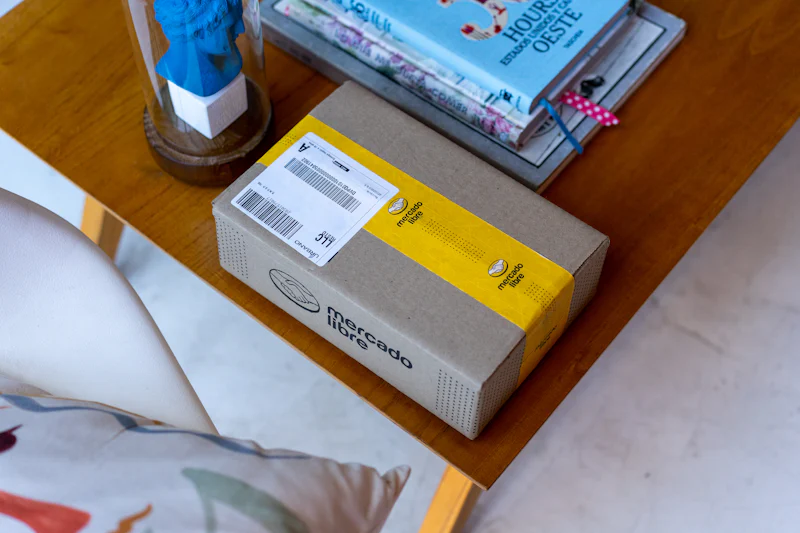
Under current regulations, all personal parcels entering China must be cleared by customs to verify that the imported items are for personal use and not for resale. Books are considered media, and customs officials reserve the right to inspect packages for content that violates local regulations. Because of this, courier companies must link every shipment to a verified individual's identity. If you use a standard shipping carrier, you cannot bypass the requirement to submit your passport photo or ID number for the 清关 (Customs Clearance) process.
Using Cross-Border E-commerce Platforms
If you want to purchase specific English-language books without the headache of managing the paperwork yourself, use major platforms like Taobao, JD, or Amazon China's international store. These services leverage their existing relationships with customs brokers. When you buy through these channels, the company acts as the importer of record. You simply pay the price listed, and the platform handles the regulatory burdens. This is the most efficient way to obtain reading materials while keeping your personal customs processing to a minimum.
The Role of Consolidated Logistics Agencies
For shipping books from family or friends abroad, look for specialized freight forwarders that offer personal package consolidation. These agents often operate warehouses in free-trade zones. They process the bulk shipment into the country and manage the individual delivery to your address. While this method still technically requires your details for the final delivery, it masks the complexity by using an intermediary to handle the actual interface with customs agents. This is common when receiving large collections of academic materials that might otherwise get held up by individual package reviews.
Avoiding Unnecessary Customs Delays
If you must ship books personally, ensure your package contains a detailed packing list in both English and Chinese. Labeling your shipment clearly as 'personal used books' can sometimes help customs agents process your package faster. Avoid shipping more than 10 books in a single parcel, as large quantities are often flagged for commercial intent. Always keep your 物流单号 (Logistics Tracking Number) handy and check your messaging apps, as couriers often send automated notifications via 微信 (WeChat) if they require additional documentation for clearance.
Risks of Using Informal Carriers
Avoid using small, non-registered shipping services that claim they can bypass customs regulations entirely. These providers often lack transparency, and your books are at a high risk of being confiscated or returned to the sender if they are not declared correctly. In extreme cases, shipments not cleared through official channels can result in a fine or a permanent record on your customs file. Stick to well-known international carriers or official cross-border platforms to ensure your items arrive safely.
Your ability to successfully receive books depends on accepting that customs clearance is a mandatory legal process, not a hurdle you can avoid through anonymity.
What is the most effective way you have found to source English-language books in your current city?
Quick Takeaways:
- Always use official cross-border platforms to avoid manual customs paperwork and ID submission.
- Never attempt to bypass customs with informal couriers, as this risks seizure of goods.
- Keep shipments small—under 10 books—to decrease the chance of being flagged for inspection.
- Provide a clear, bilingual packing list to expedite the manual customs clearance process significantly.
#chinacustoms #expatlife #readinginchina
