The most critical rule for your China L-visa is that your 30-day "duration of stay" begins on the exact date you clear immigration at a Chinese border crossing, not the date of visa issuance. Many travelers mistakenly assume the visa duration is counted from the date stamped on the visa sticker, but that is simply the "validity period." If you overstay your permitted 30 days, you risk severe daily fines and potential blacklisting. Always verify your entry stamp date carefully in your passport to determine your specific departure deadline.
Understanding Visa Validity vs. Duration of Stay
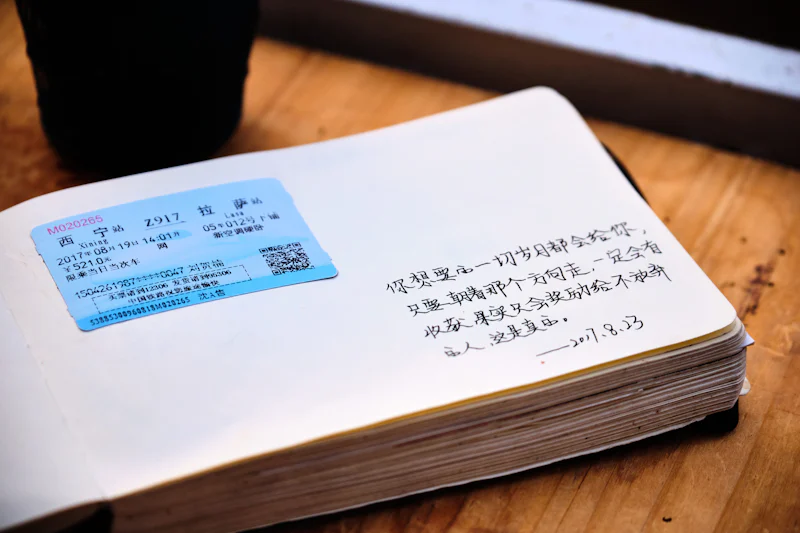
The "Enter Before" date printed on your L-visa refers to the last day you can use the visa to enter China, not the day you must leave. The "Duration of Stay" is the number of days you are permitted to remain in the country after your arrival. For a 30-day visa, you must count exactly 30 days starting from the day after you arrived. For example, if you enter on October 1st, your day of departure must be on or before October 31st. Use an online date calculator to avoid human error when planning your travel itinerary.
The Entry Stamp and Passport Control
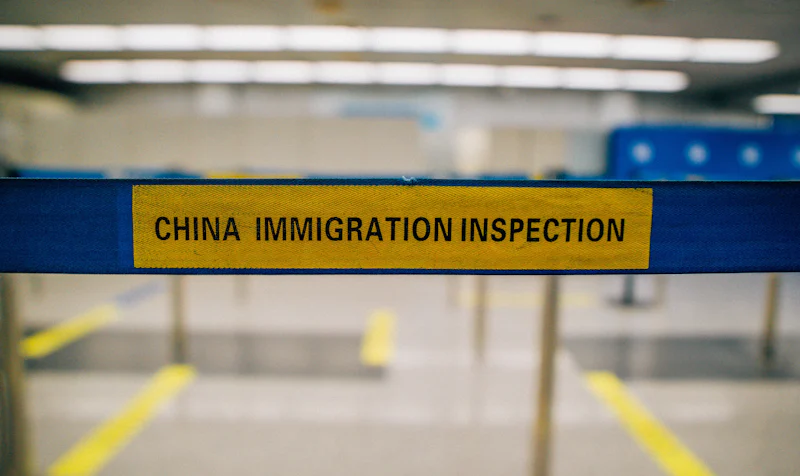
When you pass through immigration, the officer will place an entry stamp in your passport. This stamp is the legal evidence of your arrival date. If the stamp is illegible or missing, you must visit the local 出入境管理局 (Exit and Entry Administration Bureau) immediately to rectify the record. Failure to register your arrival via your hotel or a 住宿登记表 (Registration Form of Temporary Residence) within 24 hours of arrival can lead to complications with the local police, making your visa status vulnerable during a routine check.
Risks of Accidental Overstaying
Overstaying a visa, even by a single day, is a serious administrative violation. The standard penalty is a fine of 500 RMB per day, capped at 10,000 RMB, though severe cases may lead to detention or immediate deportation. Do not rely on flight booking flexibility; always assume the system will not grant you leniency for missed flights or medical emergencies. If you foresee a delay in your departure, you must apply for an extension at the Exit and Entry Administration at least seven days before your stay expires.
Planning Your Exit Timeline
When booking your return flights, aim to leave at least 48 hours before your 30-day limit. This buffer protects you against unexpected flight cancellations or weather delays that could leave you trapped in the country beyond your allowed stay. Keep your passport accessible at all times while traveling, as you will need it for high-speed train tickets and check-in procedures at *酒店 (hotels) throughout your journey.
Always calculate your exit date the moment you step off the plane to avoid any confusion during the final leg of your trip. Have you ever encountered a discrepancy between your visa duration and the immigration officer's specific entry stamp?
Quick Takeaways:
- Count 30 days from your entry stamp date, not the visa issuance date.
- Register your temporary residence address at a police station within 24 hours of arrival.
- Apply for any necessary visa extensions at least one week before your expiry date.
- Aim to depart China at least 48 hours before your visa duration expires.
#visatips #chinaexpat #chinatravel
