Living in Qingdao is absolutely worth it if you prioritize a higher quality of life, a manageable pace, and a connection to the sea over the hyper-competitive grind of Tier 1 cities. While moving to Qingdao means sacrificing some of the late-night convenience and sheer volume of international events found in Shanghai or Beijing, the trade-off is a significantly lower cost of living and a more sustainable long-term environment. For those who enjoy coastal living combined with German-influenced architecture and a distinct local culture, the city offers a unique balance that is increasingly hard to find in larger, more congested Chinese urban hubs.
The Cost of Living Advantage

When compared to the primary economic centers, the financial benefits of expat life in Qingdao are substantial. Rent prices for premium residential compounds in districts like Shinang (Southern District) or Laoshan are roughly 30 to 40 percent lower than comparable apartments in central Shanghai. Daily expenses, including transport and dining out, are similarly moderated. Most locals and expats manage their finances using 支付宝 (Alipay) or 微信支付 (WeChat Pay), both of which integrate seamlessly with local grocery markets where fresh seafood prices are significantly cheaper than in landlocked cities.
Navigating the Expat Community Size
Qingdao hosts a tighter, more intimate expat community compared to the sprawling networks of Beijing. This size difference acts as a double-edged sword: you will find it much easier to build a genuine social network, but you may have fewer niche hobby groups. The expat lifestyle here revolves heavily around the waterfront, with major social hubs located near the 五四广场 (May Fourth Square). If you are someone who thrives on meeting new people through recurring events, joining WeChat groups managed by local chambers of commerce is the fastest way to integrate. Unlike the transient nature of Shanghai, many expats in Qingdao have lived here for five years or more, providing a level of stability that is rare elsewhere.
Climate and Seasonal Adjustments
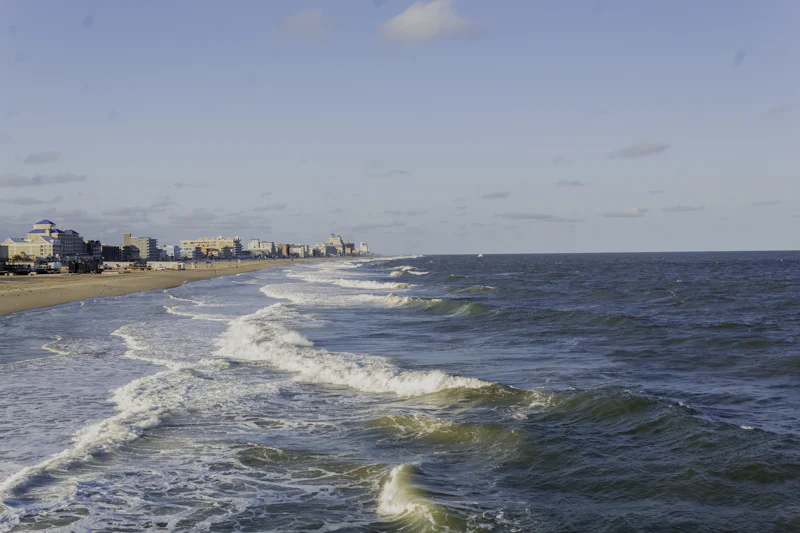
Living in coastal China brings distinct meteorological patterns. The summers in Qingdao are significantly cooler than the stifling heat found in the south or the inland plains, often staying below 30 degrees Celsius. However, the winters are windy and cold due to the sea proximity. Most housing units are equipped with central heating, a system known as 暖气 (nuanqi), which typically begins in mid-November. If you are moving to Qingdao, invest in high-quality windproof outerwear immediately, as the sea breeze can make the winter temperatures feel much lower than the thermometer reads.
Cultural Integration and Local Identity
Qingdao is not just a seaside resort; it is a city with a deeply ingrained industrial and historical identity. The local culture is heavily influenced by the history of the 青岛啤酒 (Tsingtao Beer) industry. Socializing often centers around the local beer culture, which is quite different from the club-heavy scenes of Tier 1 cities. Learning basic Mandarin phrases will go a long way in navigating the local wet markets and traditional 小吃 (snacks) stalls. While English is spoken in high-end hotels and business districts, the city is far less Anglicized than Beijing, making a basic grasp of the local language a practical necessity for daily convenience.
Choosing Qingdao requires a shift in expectation from constant stimulation to a balanced lifestyle that prioritizes wellness, lower stress, and a tighter social circle.
What is the one thing you currently worry about most when considering a relocation to a non-Tier 1 city in China?
Quick Takeaways:
- Rent in Qingdao is approximately 30 to 40 percent cheaper than in Shanghai
- The city offers a much milder summer climate compared to southern China
- Central heating, or nuanqi, is standard for the cold, windy coastal winters
- Expat communities in Qingdao are smaller but tend to be more stable
#qingdao #expatchina #chinalife
