Working at an international school in Shanghai is a career path defined by significant professional growth tempered by a high-intensity, often high-pressure environment that demands cultural adaptability. While the compensation packages remain competitive, the day-to-day reality often involves navigating complex bureaucratic structures and balancing rigorous academic standards with the unique demands of a bilingual education environment. Teachers who succeed here are those who view the role not just as a job, but as a long-term professional development project that requires a deep understanding of both local educational policies and international curriculum standards.
Understanding the School Hierarchy
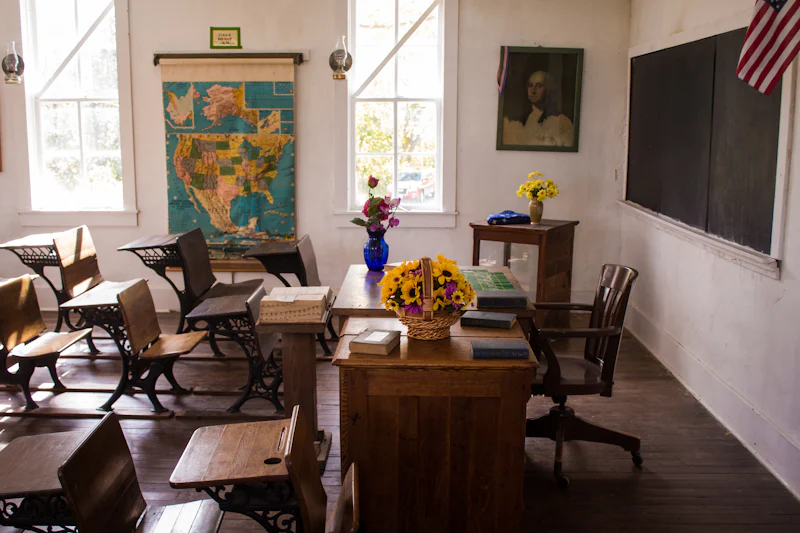
In most Shanghai international and bilingual institutions, the management structure is often a blend of Western pedagogical leadership and Chinese administrative oversight. You will likely report to a waiban (foreign affairs officer) or an academic head who balances the demands of the local education bureau, jiaoweihui (Education Commission), with the expectations of parents. It is common to have a dual-management system where foreign teachers manage curriculum delivery while a Chinese partner teacher oversees student discipline and parent communication. Mastering the nuances of this partnership is the single most important factor in your daily success.
The Reality of Bilingual Education
Working in a bilingual school requires a different skill set than traditional international schools. These institutions must meet local curriculum requirements while integrating international standards. Teachers often find that the workload includes significant extra-curricular responsibilities, sometimes extending well past 5:00 PM. You must be prepared for "whole school" events and mandatory professional development sessions that take place on Saturdays. While the schools provide excellent resources, the pace is often faster than in Western counterparts, requiring you to maintain a high level of performance throughout the 40-week academic year.
Location and Lifestyle Factors
If you find yourself teaching in a district like Jinshan, you will experience a significantly lower cost of living and a more relaxed pace compared to living in the downtown districts of Jing'an or Xuhui. However, the commute to the city center can take over 90 minutes via the ditie (subway) or regional train lines. Many schools in these peripheral districts offer high-quality on-campus housing, which can be a major financial benefit. Weighing the trade-off between the convenience of downtown life and the financial savings of living on the outskirts is a primary consideration for every educator arriving in Shanghai.
Navigating Cultural Professionalism
Successful integration into a Chinese school setting involves respecting the guanxi (relationship/network) culture that governs workplace interactions. Communication is often indirect, and public feedback can be perceived as confrontational. It is standard to use platforms like WeChat for professional coordination, often leading to a blurred line between work and private life. Setting boundaries early, while maintaining professional warmth, is essential to avoiding burnout during your first two years in the city.
Adaptability and clear boundary-setting are the foundational pillars for sustaining a long-term teaching career in Shanghai’s competitive education sector.
What is the most challenging adjustment you have had to make when working with a Chinese counterpart in the classroom?
Quick Takeaways:
- Expect a dual-management structure requiring close collaboration with Chinese partner teachers and administrators.
- Budget for extra-curricular duties and occasional weekend training sessions beyond standard classroom hours.
- Consider commute times carefully, as schools in districts like Jinshan offer lower housing costs.
- Maintain professional boundaries on communication apps to prevent burnout during the academic year.
#workingatinternationalschoolshanghai #teachinginchina #shanghaiexpat
