Filling out an online China visa application requires precision, and many applicants panic when they realize they made a mistake on a draft. To clarify, an unsubmitted draft or a document rejected by the 签证中心 (Visa Application Service Center) staff during a preliminary pre-check does not constitute a formal visa refusal. You only need to check 'Yes' on form 8.1 if a diplomatic mission—such as an Embassy or Consulate-General—has officially processed your application and issued a formal denial, typically recorded in the national entry-exit database.
Distinguishing Draft Errors from Formal Refusals
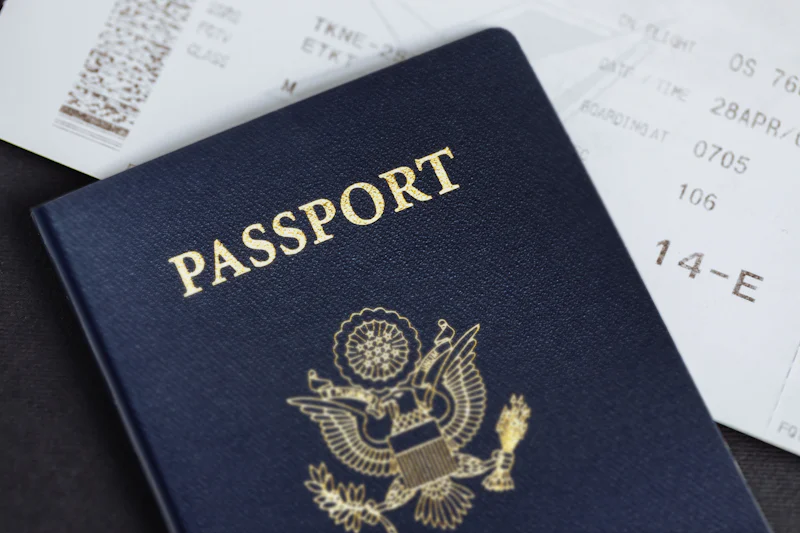
The confusion usually stems from the online application portal's interface. If you encounter an error while filling out the form, such as an incomplete field or a formatting issue with your 照片 (photo), the system may prevent you from hitting 'submit.' This is a technical validation error, not a legal refusal. Similarly, if you arrive at the visa center and are told your paperwork is missing a document, they might ask you to take your application back to fix it. This is a common part of the screening process, not a refusal of your entry rights. A 'Refusal' specifically refers to a situation where your application was formally accepted, paid for, and subsequently denied by a consular officer.
When to Check 'Yes' on Form 8.1
Question 8.1 asks, 'Have you ever been refused a visa for China?' You should only answer 'Yes' if you have received an official refusal notice or if a consular officer has stamped 'Refused' or 'Cancelled' in your passport or entered a rejection into the government system. If your application was never officially accepted by the consulate because it was incomplete or retracted by you before submission, it does not count as a refusal. Misinterpreting this can cause unnecessary delays; if you mark 'Yes' by mistake, you will be required to provide a detailed explanation, which could invite deeper scrutiny into your application history that isn't actually necessary.
Practical Tips for Online Application Accuracy
To avoid these stressful situations, follow a 'save-as-you-go' strategy. Use the 'Save' button frequently to ensure your progress is captured. Before final submission, use the 'Preview' function to print a PDF of your form. Review this document carefully for typos in your passport number or birth date. If you find a mistake after submission but before your appointment, do not panic. Most centers allow you to create a new application form; just ensure you bring the most recent, correct application form barcode to your appointment. Keep a record of your 'Application ID' for every attempt to track which one is the final, corrected version.
Understanding Consular Discretion
It is important to remember that visa issuance is at the sole discretion of the consular officer. While 'refusal' has a strict definition, always be honest during your interview or in your written explanations. If you have any doubt about a past event, such as a visa that was 'withdrawn' rather than 'refused,' write a brief supplementary letter explaining the facts neutrally. Transparency is always safer than assuming you can hide information that might be in the database already.
Only answer 'Yes' to the refusal question if an embassy has formally processed and denied your entry request.
Have you ever had to withdraw an application and resubmit it, or did you encounter any issues with the online portal's validation system?
Quick Takeaways:
- Unsubmitted drafts do not count as formal visa refusals for government records.
- Check 'Yes' only if an embassy has officially denied your visa application.
- Use the print preview function to catch typos before your final online submission.
- Create a new application ID if you find errors after your initial submission.
#chinavisa #visatips #legaladvice
