The scarcity of facial hair among Chinese men is primarily rooted in a combination of long-standing Confucian aesthetics, which emphasize a clean and polished appearance, and regional genetic predispositions. While Western grooming trends often celebrate ruggedness, the prevailing beauty standards in China lean heavily toward a 'youthful' and 'neat' aesthetic, where a smooth, hair-free face signifies discipline and professionalism. Understanding this cultural context is essential for expats who wish to navigate social and corporate environments in China with an awareness of how grooming impacts perceived status and personal presentation.
Historical Roots of Grooming
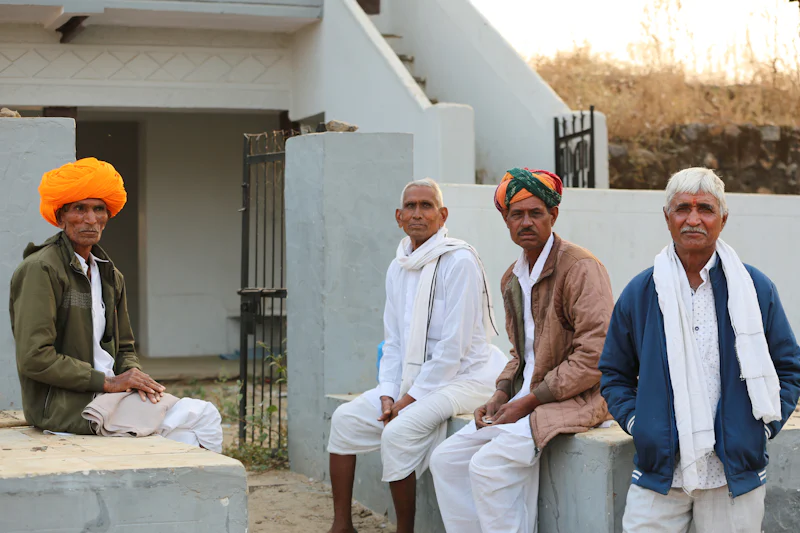
In traditional Chinese culture, the body was viewed as a gift from one’s parents, and maintaining a neat appearance was a sign of filial piety. Historically, a long, flowing beard (huzi) was sometimes associated with age, wisdom, or distinct intellectual status, but for the general population, a clean-shaven look was the standard of tidiness. This historical preference has evolved into a modern professional expectation where 'the clean look' is synonymous with being organized and attentive to detail. Unlike in many Western contexts where a well-maintained beard might signal maturity or authority, in China, it is frequently perceived as an indication of laziness or a lack of grooming standards.
Modern Beauty Standards and Professionalism
In contemporary China, grooming habits are heavily influenced by the 'idol culture' and media representations that prioritize a smooth, porcelain-like complexion. For many Chinese men, the ideal look involves a well-maintained skincare routine and a completely hair-free face. In high-stakes corporate environments, particularly in competitive industries like finance, tech, or international business, appearing clean-shaven is considered a baseline requirement for a professional presentation. A beard is often viewed as a distraction or a lack of self-care. Even in more creative sectors, where individuality is more tolerated, a beard is rarely seen as a business-appropriate 'power move.'
Genetic Factors and Practical Realities
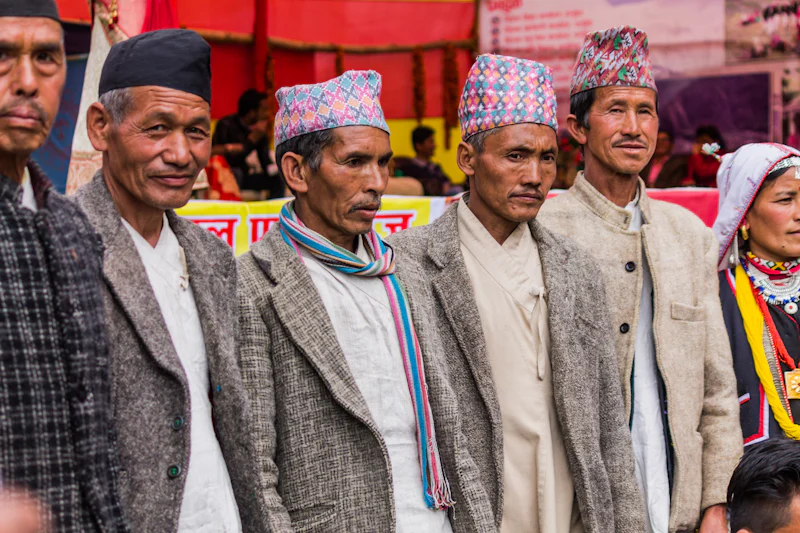
Beyond cultural norms, genetics play a significant role. Many East Asian men have less body and facial hair compared to men of European or Middle Eastern descent. Because of this natural biological tendency, the 'stubble look' that is popular in the West often manifests in China as patchiness, which is generally considered unappealing. Consequently, the cultural preference and the biological reality have converged, leading to an industry where grooming tools, such as electric shavers from brands like Feike (飞科), are ubiquitous and prioritized over beard oils or specialized trimmers.
Adapting Your Grooming for the Chinese Context
If you are living or working in China, your choice of facial hair will influence how you are perceived by colleagues and clients. If you choose to keep a beard, it is critical to ensure it is groomed to an extreme standard. 'The messy look' is almost always interpreted negatively. Use a high-quality trimmer to maintain sharp lines and ensure your beard does not detract from your overall professional image. If you find yourself in a traditional business meeting or a job interview, opting for a clean-shaven face is often the safest and most effective way to align yourself with local expectations of professional grooming.
In China, the clean-shaven aesthetic is a powerful social marker that signals respect, youthfulness, and professional reliability in a way that facial hair rarely conveys.
How has the reaction to your facial hair changed since you moved to China?
Quick Takeaways:
- Clean-shaven faces are the standard for professional attire in almost all Chinese industries.
- Facial hair is often misconstrued as a sign of poor grooming or lack of discipline.
- Genetic factors mean that patchy beard growth is viewed negatively by local beauty standards.
- Maintaining a clean-shaven look is a safe bet for job interviews and client meetings.
#facialhairculturechina #chinagrooming #chinaculturalnorms
