Applying for a China S1 visa with a Utah online marriage certificate is currently a complex process that most Chinese consulates do not recognize as a standalone document. While digital marriage services are legally binding in the United States, Chinese authorities strictly require a physical, apostilled, and authenticated document to prove the marital relationship for visa purposes. Using an online certificate without following the rigorous chain of legalization almost always results in a visa application rejection. If you are planning to relocate to China with a spouse, you must ensure your documents meet the specific criteria set by the local 大使馆 (Embassy) or 领事馆 (Consulate) where you apply.
Understanding Legalization Requirements

To move from a digital record to an accepted legal document for the Chinese government, you must follow the process of document authentication. First, you must obtain a certified paper copy of your marriage certificate from the issuing county clerk's office. Once you have the hard copy, it must receive an Apostille (a specialized certificate confirming the document's authenticity) from the Secretary of State in the state where the marriage was legally recorded. Since the United States is part of the Hague Convention, this apostille serves as the primary verification. However, some consulates may still request an additional layer of verification if they deem the digital origin of the marriage as potentially non-traditional.
Navigating S1 Visa Documentation
For an S1 family visa, you must prove the relationship beyond a reasonable doubt. Simply presenting a printout of an online PDF is insufficient. Your application packet must include the apostilled marriage certificate along with a translated version. Many consulates require the translation to be performed by a professional agency and verified with a formal seal, known as a 翻译盖章 (Translation Stamp). Along with the marriage evidence, you must provide your spouse's valid Chinese residence permit, their passport, and a formal invitation letter. Without a clearly authenticated marriage record, the 签证官 (Visa Officer) will mark your application as incomplete, causing significant delays in your travel timeline.
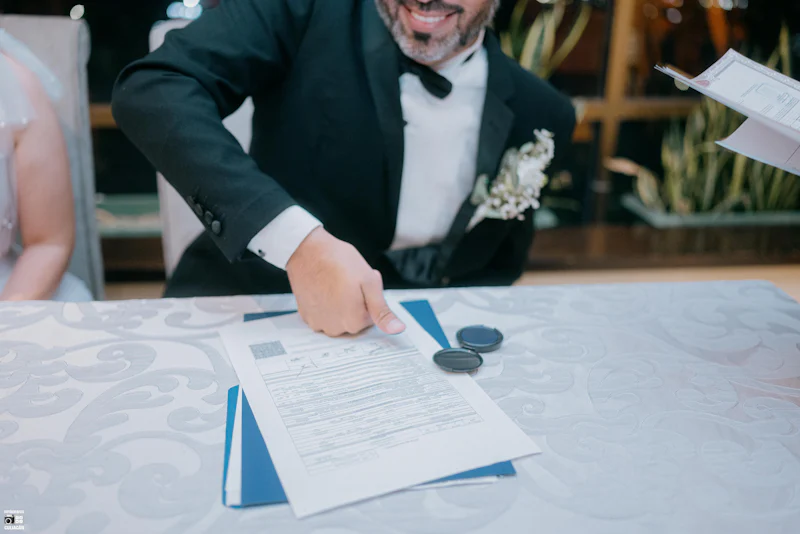
Potential Pitfalls with Online Records
One common error is assuming that the digital signature on an online certificate is enough to satisfy the requirements for a family-based visa. Chinese visa officers operate under strict guidelines that prioritize physical records with official wet-ink stamps and raised seals. Another critical issue involves the processing time. The authentication process can take anywhere from 4 to 8 weeks depending on state processing speeds and mailing times. If you are rushing to relocate for a job or study program, relying on an online certificate can create a bottleneck. Always check the specific requirements listed on the website of the Chinese consulate serving your jurisdiction, as internal policies vary between offices.
Verification and Best Practices
Before submitting your application, verify your documents through the official consular website or by contacting their visa service center. If you are already in the country where the marriage occurred, try to secure multiple certified copies from the government office. Ensure that the name format on your marriage certificate perfectly matches the information on your passports. Any discrepancy, such as a missing middle name or a slight spelling difference, can lead to a formal rejection. Using a professional visa agency can sometimes help you identify these discrepancies before they reach the desk of a consular official, saving you from a costly and time-consuming re-submission process.
Securing your S1 visa hinges on converting your online marriage record into an apostilled and authenticated hard-copy document that meets consular standards. Have you successfully navigated the document authentication process for your Chinese visa in your home country?
Quick Takeaways:
- Chinese consulates generally reject online-only marriage certificates without proper state-level apostille verification.
- Obtain an official paper copy from the county clerk before starting the authentication process.
- Professional translation with an official seal is often required for all foreign-language documents.
- Allow at least 8 weeks for the full document legalization and visa application cycle.
#visatips #chinalaw #expatchina
