Partnering with Chinese companies to facilitate global expansion requires moving beyond simple transactional relationships toward strategic collaboration. For marketing agencies, the key to success is identifying factories that possess a genuine export vision and possess the logistical readiness to support international supply chains. Most B2B business China strategies fail because agencies prioritize price over long-term reliability. To build a sustainable pipeline, you must vet the manufacturing capacity while simultaneously aligning the company’s internal branding with the standards of your target global markets, ensuring that both parties share a unified vision for long-term growth.
Identifying Export-Ready Manufacturers
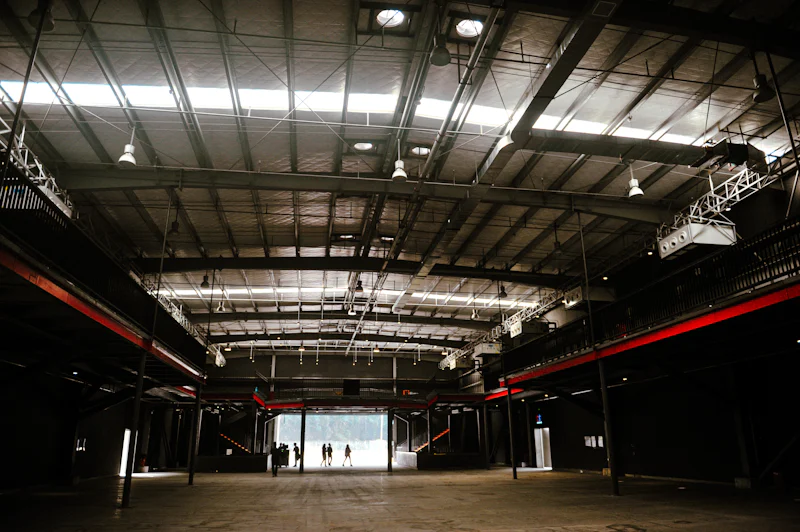
Not every local factory is prepared for international standards. When looking for suppliers China, prioritize firms that already hold international certifications like ISO 9001 or 欧盟认证 (EU certification). Use platforms like 1688.com or visit industry-specific trade shows like the 广交会 (Canton Fair). During your initial screening, ask to see their export history. A factory that has successfully navigated the complexities of international customs is far more valuable than one offering lower prices but zero experience with cross-border compliance.
Aligning Branding with Export Strategy
Many Chinese manufacturers have world-class production capabilities but lack an export marketing strategy. As a marketing agency, your value-add is transforming their domestic identity into a global brand. This involves professionalizing their VI (Visual Identity), translating product documentation into fluent technical English, and setting up B2B portals. If they are not active on LinkedIn or lack a professional website, assist them in building a digital footprint that builds trust. Trust is the primary currency in B2B transactions, and professional collateral is the fastest way to build it.
Establishing Communication Protocols
Communication breakdowns are the most common pitfall in cross-border relationships. While many factory managers use 微信 (WeChat) for daily coordination, you must establish formal channels for contracts and quality control specifications. Use professional project management tools like Trello or Monday to track milestones. Ensure that all product requirements—such as materials, dimensions, and tolerances—are documented in a binding 合同 (contract) to avoid ambiguity. Regular video calls are essential; they bridge the cultural gap and humanize the professional relationship, which is critical for long-term retention.
Managing Quality Control and Feedback
Retaining a partner requires consistent, honest feedback loops. If a batch of goods arrives with defects, address them immediately through objective reports. Encourage the factory to invest in 验货 (goods inspection) services before shipping. By positioning yourself as a partner who protects their brand integrity, you move from being a vendor to an essential stakeholder. Always verify that they have a clear understanding of international consumer safety standards, such as CE认证 (CE Marking), which is mandatory for many products entering Western markets.
Building a successful partnership is about balancing rigorous technical oversight with a deep, empathetic understanding of your manufacturing partner’s operational capacity.
What is the biggest challenge you have encountered when aligning a domestic factory’s production schedule with global shipping requirements?
Quick Takeaways:
- Prioritize factories with existing international certifications like ISO 9001 or equivalent standards.
- Professionalize the manufacturer’s branding and digital presence to build international market trust.
- Use formal contracts and project management tools rather than relying solely on WeChat.
- Establish regular feedback loops to maintain product quality and long-term brand integrity.
#chinaexport #manufacturing #businessstrategy
