Navigating the 144-hour visa-free transit in Beijing is remarkably efficient if you have your confirmed onward ticket and passport ready, as this program allows international travelers to transit through the capital for up to six days without a formal visa. To qualify for these China transit visa requirements, you must hold a passport from one of the 54 eligible countries and possess a confirmed ticket to a third country or region within 144 hours. Whether you are using a standard or emergency passport, the rules remain consistent: ensure your documentation is pristine and clearly shows your journey from your origin to Beijing and then to a destination other than the one you arrived from.
Preparing Your Documentation for Arrival
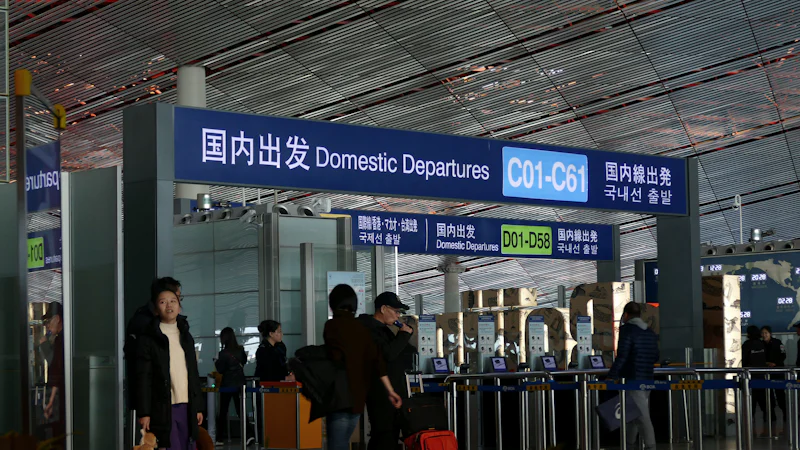
Before boarding your flight, ensure your travel itinerary is printed in English. Immigration officers at Beijing Capital International Airport (PEK) or Daxing International Airport (PKX) specifically look for your onward ticket, which must show a departure date within 144 hours of your arrival time. If you are using an emergency passport, you must still meet the validity requirement of at least three months. It is highly recommended to carry a physical copy of your flight booking confirmation rather than relying on a digital version on your phone, as connection issues or screen glare can delay the check-in process at the special transit counter.
Locating the 144-Hour Transit Counter
Upon landing, follow the signs for '144-hour Visa-Free Transit' rather than the general immigration queues. You will need to fill out a blue Arrival/Departure card specifically designed for transit passengers. Be prepared to provide the address of your hotel or accommodation in Beijing; if you are staying with friends, you must have the address of their local 派出所 (police station) residence registration record handy. Many travelers overlook the fact that the 144-hour period begins at 00:01 the day after your arrival, giving you a slight buffer beyond the initial six-day window.
Handling Technical or Passport Issues
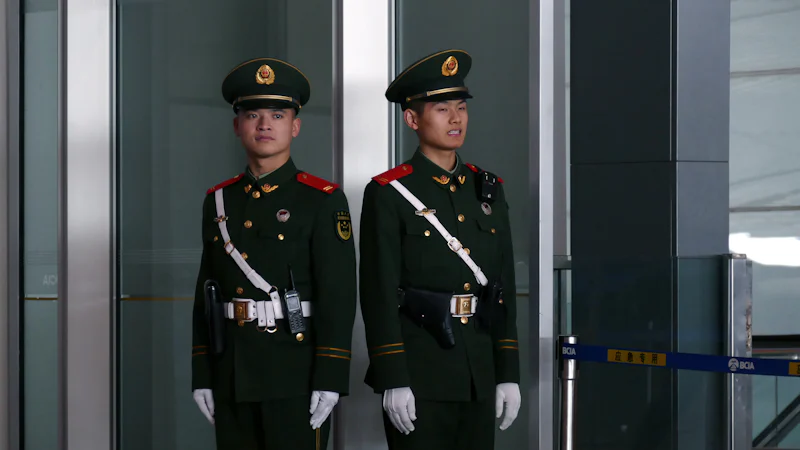
If you encounter difficulties, such as an emergency passport that looks different from standard versions, remain calm and keep your boarding passes from previous legs of your journey. Immigration officials are generally accustomed to these inquiries, but they prioritize travelers who have their documents organized. If your flight is delayed and you risk exceeding the 144-hour limit, contact the Beijing Exit-Entry Administration Bureau (北京出入境管理总队) immediately. They are the primary authority for handling extensions due to medical emergencies or unavoidable transportation cancellations.
Maximizing Your Layover Time
Once cleared, you are free to explore the Beijing municipality, including Tianjin and Hebei province. Download 支付宝 (Alipay) or 微信支付 (WeChat Pay) before you leave the airport to facilitate mobile payments, as many vendors in the city prefer these digital wallets over cash. Public transport, including the Airport Express train and the extensive subway network, is the most reliable way to navigate the city without getting trapped in rush hour traffic. Remember to keep your passport on your person at all times, as you may be asked to present it for security checks at major tourist attractions or when checking into your hotel.
Understanding the exact timeline of your 144-hour window is the difference between a smooth trip and an avoidable administrative headache at the border. Have you ever experienced a delay while using the visa-free transit program, and how did you resolve it?
Quick Takeaways:
- Ensure your onward ticket to a third country is within 144 hours.
- Print physical copies of your itinerary and hotel booking information for immigration.
- Use the dedicated transit lanes at Beijing airports to speed up entry processing.
- Register your address at a local police station if staying in private housing.
#chinatravel #visafreetransit #beijingtips
