Retirement homes in China, locally known as yanglaoyuan (养老院), are undergoing a profound transformation as the country moves away from the traditional model where children bear the sole responsibility for elder care. While historically governed by the deep-rooted cultural principle of xiao (filial piety), which dictates that children must care for their aging parents at home, rapid urbanization and demographic shifts have necessitated a new approach. Today, these facilities are increasingly viewed not as a sign of familial abandonment, but as a proactive strategy to provide specialized medical attention and social engagement that can be difficult to manage within a single household.
The Changing Landscape of Filial Piety
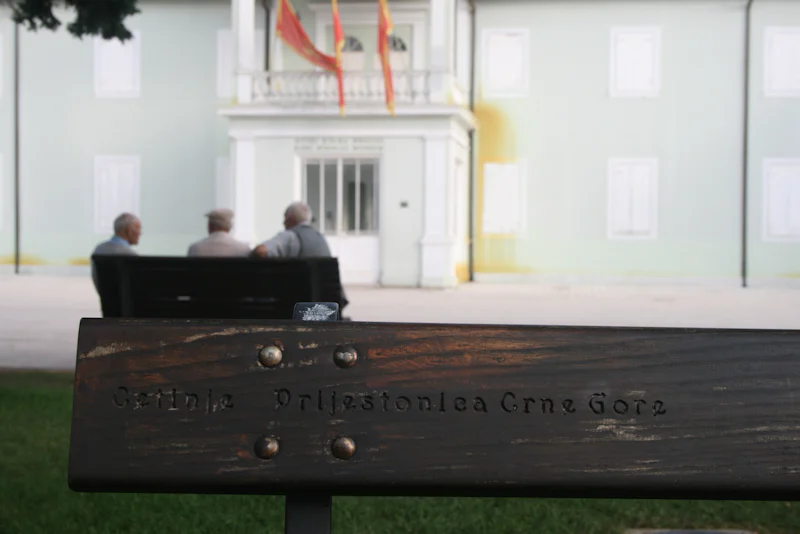
The cultural weight of filial piety in China remains immense, yet the definition of "care" is evolving. Historically, the multi-generational household was the standard, with elders living with their children. However, as the younger generation faces intense workplace competition and the costs of urban living rise, the physical presence of an adult child 24/7 is no longer feasible for many families. This has shifted the social narrative: moving a parent into a professional facility is now often interpreted as ensuring they have access to 24-hour nursing support, rather than a failure of duty. Families often seek institutions that provide a bridge between medical oversight and the warm, community-focused environment of home.
Modernizing Elderly Care Services
The infrastructure for elderly care in China is currently categorized into two primary tiers: government-subsidized community centers and high-end private senior living communities. Government-led initiatives focus on the "9073" model—where 90 percent of seniors receive community-based support, 7 percent receive medical assistance, and 3 percent reside in institutional care. Many facilities are integrating technology to manage health data, such as tracking heart rates and glucose levels through mobile applications. This modernization ensures that even in institutional settings, elders maintain autonomy and connection to their families through digital communication tools.
Generational Lifestyle Shifts
There is a notable divide in how different generations perceive the transition to retirement homes. While some elders may initially resist the move due to a fear of losing social status or family connection, many find that these facilities offer a vibrant social life compared to the isolation of staying at home while children work. Modern yanglaoyuan often host classes in calligraphy, dance, and mahjong, transforming them into hubs of community activity. This shift reflects a broader social acceptance that the 'new' filial piety involves securing a high quality of life for parents that modern apartments cannot always support.
Navigating the Selection Process
When evaluating a facility, families prioritize staff-to-resident ratios and the proximity to high-quality hospitals, known as yiyuan (医院). Many families utilize online platforms and WeChat mini-programs to review user ratings and certification levels of local facilities before scheduling an in-person visit. It is highly recommended to observe the dining hall and common areas during peak hours to assess the genuine level of care and the happiness of the current residents. This research phase is critical, as it aligns the elder's medical needs with their social preferences.
Understanding the evolution of care in China helps dispel the myth that institutional living signifies the end of family support; instead, it represents a strategic adaptation to modern urban realities. How do you see the balance between tradition and professional care evolving in your own community?
Quick Takeaways:
- The 9073 model targets 90 percent home care and 10 percent institutional support
- Modern facilities prioritize professional medical oversight alongside active community-based social programming
- Use digital platforms to verify a facility's certification and local medical proximity
- Filial piety is evolving to focus on providing optimal care rather than domestic presence
#elderlycare #chinaculture #retirement
