Walking backwards, or 倒走 (dào zǒu), is a staple of Chinese park culture because it is believed to engage different muscle groups, improve balance, and provide therapeutic relief for chronic back pain. While it may look unconventional to those accustomed to standard forward-motion exercise, this practice is deeply rooted in traditional concepts of bodily alignment and preventative wellness. By shifting the body's center of gravity and forcing the mind to concentrate on spatial awareness, practitioners aim to strengthen the lower back and knees while promoting better overall posture and coordination.
The Traditional Chinese Medicine Perspective
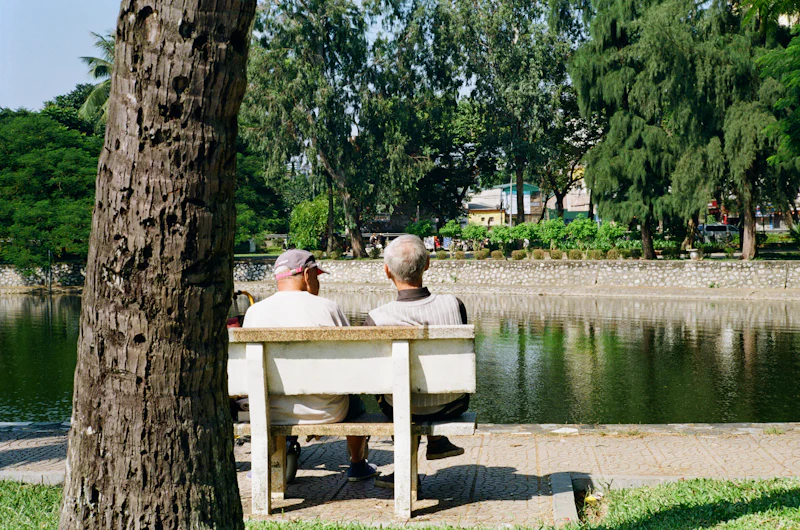
In 中医 (Zhōngyī - Traditional Chinese Medicine), health is often viewed through the lens of balance and flow. Many elderly practitioners believe that walking backwards reverses the habitual wear and tear placed on the joints from years of forward-walking. By altering the gait, you shift the impact away from the heels and onto the ball of the foot, which is said to reduce the compressive load on the lumbar vertebrae. This practice is often categorized under 养生 (yǎngshēng - health cultivation), a holistic approach to maintaining vitality through daily, low-impact habits that can be sustained well into old age.
Physical Benefits of Retro-Walking
Research in sports science has occasionally supported the benefits of backwards movement. Walking backwards requires a higher level of cognitive engagement, as you are processing your environment in a non-intuitive direction. This heightened focus can improve neurological pathways related to proprioception—the body's ability to sense its position in space. Furthermore, it creates a unique challenge for the quadriceps, as the muscles must stabilize the knee joint differently than in forward locomotion. Many who suffer from mild knee osteoarthritis find that the controlled, slow nature of 倒走 provides a way to exercise without the jarring impact of high-intensity aerobic activity.
Social Dynamics in Public Parks
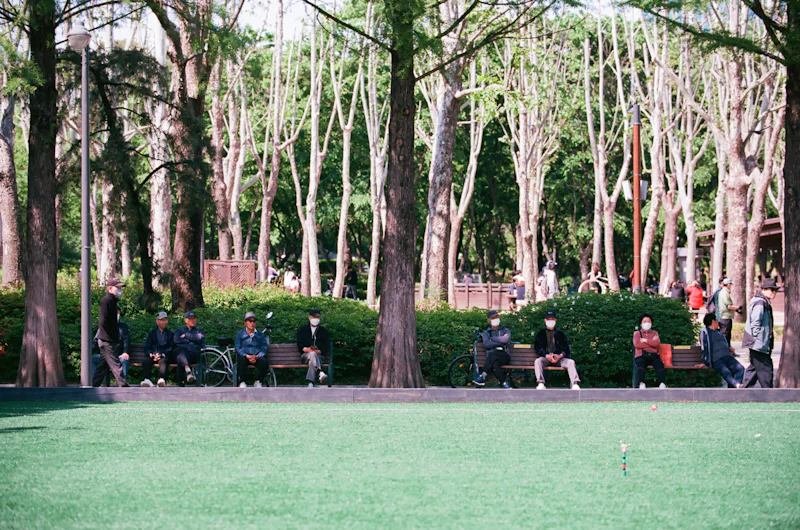
Fitness in China is fundamentally a social activity. You will often see groups gathering in the early morning or evening to perform these routines in tandem. Parks are not just venues for exercise but spaces for community building. Participating in these routines—or even observing them—is a primary way that residents maintain social ties. If you want to try it yourself, look for a clear, paved path in a park where pedestrian traffic is light. It is best to start by walking slowly, keeping your head turned slightly to the side to monitor your path, and using a handrail if one is available nearby to ensure safety.
Precautions for Beginners
Safety is paramount when attempting this in public spaces. Always choose a flat surface, such as a rubberized track or a smooth stone plaza, rather than busy sidewalks. Beginners often make the mistake of walking too fast or attempting to cross uneven ground. It is recommended to practice for only 5 to 10 minutes initially to allow your stabilizer muscles to adjust. If you feel dizziness or persistent joint discomfort, stop immediately. Wearing supportive footwear is essential, as the mechanics of your foot strike will change significantly compared to a standard walking stride.
Maintaining joint health through mindful movement is a key component of the longevity often seen in China’s older generation. Have you noticed any other unique fitness routines in your local park that you are curious about?
Quick Takeaways:
- 倒走 engages different muscle groups to alleviate lower back and knee pain.
- TCM philosophy views backwards walking as a method to improve bodily alignment.
- Practice in flat, clear spaces to minimize the risk of trips or falls.
- Start with 5 to 10 minute sessions to allow muscles to adjust.
#chineseculture #fitnesschina #healthytravel
