Understanding social etiquette for foreign students in China begins with recognizing that building rapport, or guanxi (connections), is the foundation of every interaction. In a university setting, the most important insight is to balance being outgoing with demonstrating humility, as local students highly value respect for seniority and academic modesty. By observing the nuances of daily communication and group dynamics, you will find that navigating Chinese social circles becomes much easier, allowing you to move beyond superficial interactions into genuine, long-term friendships.
Respecting Hierarchy and Age
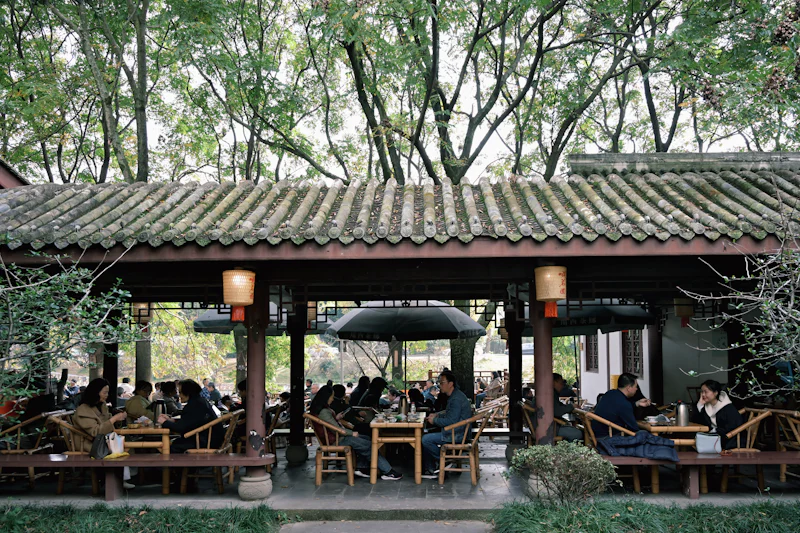
In Chinese culture, age and status dictate the flow of conversation. You will often notice students addressing peers as gege (older brother) or jiejie (older sister). Using these titles, even when informal, signals respect for the social hierarchy. Avoid calling professors by their first names; always use their title followed by laoshi (teacher), such as Wang laoshi. This practice is not just about formality but about acknowledging the guidance they provide. When sitting in classrooms or dining halls, remember that the seat furthest from the door is traditionally reserved for the most senior person, though this is becoming less rigid among younger generations.
Mastering Personal Space and Physicality
While Western cultures emphasize a large radius of personal space, social interaction in China is often closer. You may find Chinese friends walking arm-in-arm or standing quite close during conversations; this is considered a sign of friendliness rather than an intrusion. Conversely, refrain from overly expressive physical gestures, such as intense back-slapping or excessive public displays of affection, which can make others uncomfortable. Maintain a moderate volume in public spaces like the library or dormitory corridors, as keeping one's voice down is viewed as a sign of being suzhi (high quality/civilized).
Navigating Group Dining and Gift Giving
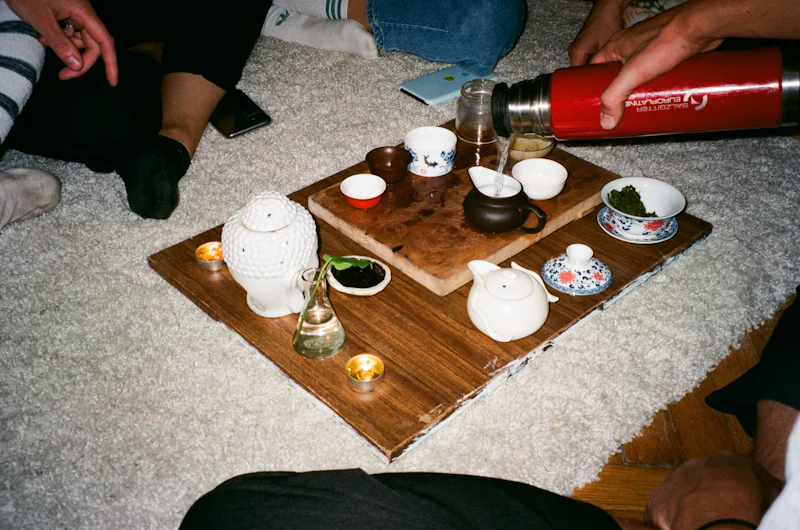
Food is the primary vehicle for social bonding in China. If you are invited to a meal, understand that it is customary for the host to order far more food than the group can consume—this is to ensure nobody leaves hungry, representing the host's generosity. Avoid finishing every single grain of rice, as this can imply that your host failed to provide enough food. If you receive a gift, do not open it immediately in front of the giver unless prompted, as this is traditional modesty. When paying for group outings, use zhifubao (Alipay) or weixin (WeChat) to split bills seamlessly, as awkward debates over cash payments at the table are generally avoided.
Avoiding Common Social Faux Pas
One major pitfall is the concept of mianzi (face). Avoid correcting a Chinese friend or peer directly in front of a group, as this can cause them to lose face. If you have a disagreement, address it privately rather than publicly. Additionally, be mindful of your online presence. Many university students use pengyouquan (Moments) to share parts of their lives. Engaging with their posts by leaving a brief, polite comment is an excellent way to maintain your connection without needing to speak in person every day. Remember that silence in a conversation is often not a sign of awkwardness, but a sign of contemplation.
Success in your social life depends on your ability to observe and adapt, recognizing that your willingness to learn local norms is a gesture of respect that Chinese students will deeply appreciate. What is one specific social situation in your university that you found confusing or challenging to navigate?
Quick Takeaways
- Use titles like laoshi or gege to show respect for hierarchy and age.
- Do not finish every item on your plate during group meals to signal satisfaction.
- Address disagreements or corrections in private to help your peers maintain their face.
- Engage with friends on WeChat Moments to sustain connections outside of classroom hours.
#cultureandlang #studychina #socialetiquette
