Chinese aunties walk backwards primarily to improve balance, strengthen specific leg muscles, and alleviate the joint strain often associated with aging. While it may look unusual to the uninitiated, this practice is a staple of public park fitness culture, grounded in the belief that varying movement patterns promotes long-term mobility and coordination in seniors.
The Logic Behind Backward Motion
Unlike traditional forward walking, which primarily engages the quadriceps, walking backwards shifts the load to the glutes, calves, and hamstrings. In the context of 养生 (yǎngshēng, or the art of nourishing life), seniors practice this to improve proprioception—your body’s ability to sense its position in space. By challenging the brain to coordinate movement in an unnatural direction, practitioners believe they are sharpening cognitive reflexes and preventing falls, which is a major health concern for the elderly. Medical studies in sports science have indeed shown that backward walking reduces the force applied to the knee joints compared to forward walking, making it a low-impact alternative for those with arthritis.
Understanding Chinese Park Culture
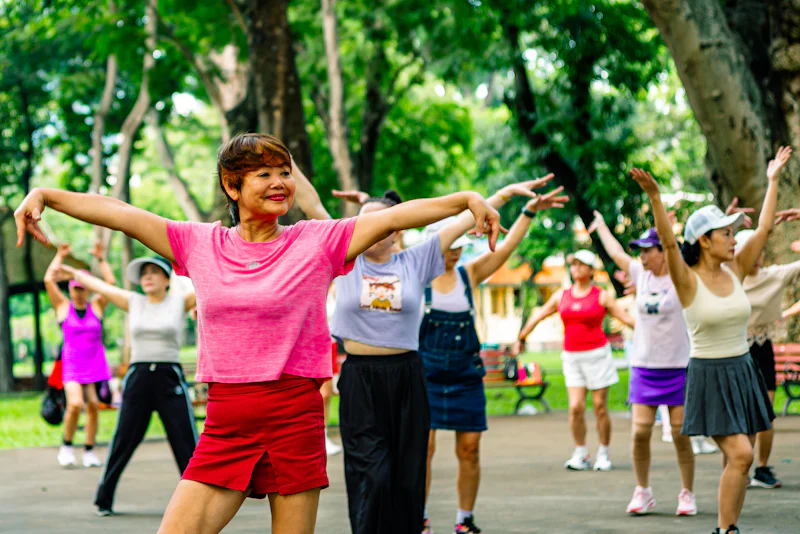
Public parks in China are the heart of senior social life. You will often see groups performing 太极 (táijí, Tai Chi), dancing, or using various fitness equipment. Backward walking fits perfectly into this environment because it is a low-barrier activity. It requires no specialized gear, just a safe, flat stretch of pavement or a designated jogging path. It is often done in groups, turning a fitness regimen into a social ritual. For the elderly, these parks provide a space where physical activity is seamlessly integrated with community connection, reducing feelings of isolation while keeping the body active during the morning or evening hours.
Tips for Observing and Participating
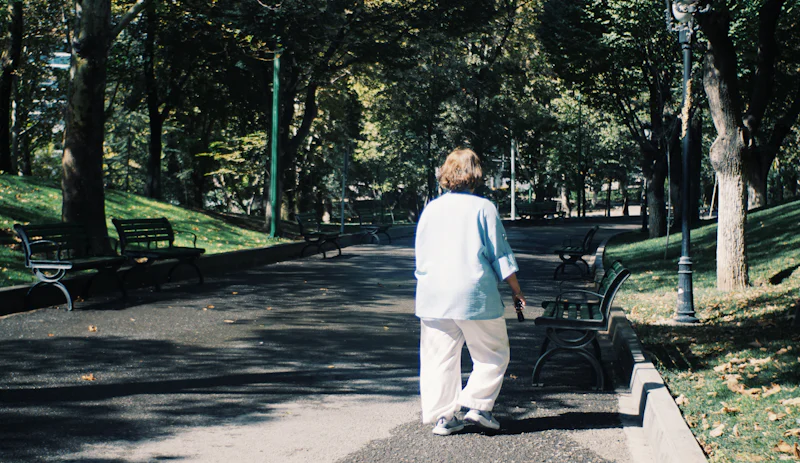
If you want to try it, ensure you choose a path free of obstacles. Experienced aunties often use peripheral vision or rely on the rhythmic sound of their footsteps to navigate. They rarely look back continuously, as their focus is on maintaining an upright posture. If you visit a park like Beijing’s 朝阳公园 (Cháoyáng Gōngyuán, Chaoyang Park), you will likely see dozens of people engaged in this. Be mindful of their personal space; while they are generally friendly, they are often deeply focused on their routine, which they view as a serious form of preventative healthcare rather than a casual stroll.
Why Seniors Prioritize Functional Fitness
Many senior fitness habits in China prioritize functional strength—the ability to perform daily tasks with ease—over aesthetic muscle gain. Exercises like walking backwards, back-slapping (a form of massage-like percussion), and using stationary park equipment are all geared toward maintaining independence. By moving their bodies in unconventional ways, they are effectively training their muscles to adapt to unforeseen stressors, ensuring they can continue to live independently as they age. It is a pragmatic, cost-free approach to longevity that has been passed down through generations.
Consistent movement and unconventional exercises are considered essential pillars for maintaining long-term physical autonomy and joint health in Chinese senior culture.
Have you ever tried walking backwards for exercise, and did you find that it helped with your balance or joint comfort?
Quick Takeaways:
- Backward walking reduces impact on knee joints compared to conventional forward movement.
- It improves proprioception and coordination to help prevent falls among aging populations.
- Chinese park culture uses communal exercise to combine fitness with daily social interaction.
- This practice requires no special equipment, making it a highly accessible form of exercise.
#chineseculture #seniorfitness #expattips
