If you want to survive Chinese public holidays without losing your sanity, the golden rule is simple: stay away from any site that appears on a 'Top 10' list of Chinese tourist attractions. During the three major holidays—春节 (Spring Festival), 清明节 (Qingming Festival), and the National Day 'Golden Week'—domestic tourism reaches a fever pitch. Millions of people travel simultaneously, turning scenic spots into endurance tests. If you value your personal space and time, the best travel strategy is to avoid high-profile, bucket-list destinations entirely and embrace the quiet of lesser-known provincial areas.
The Top Tier Danger Zones
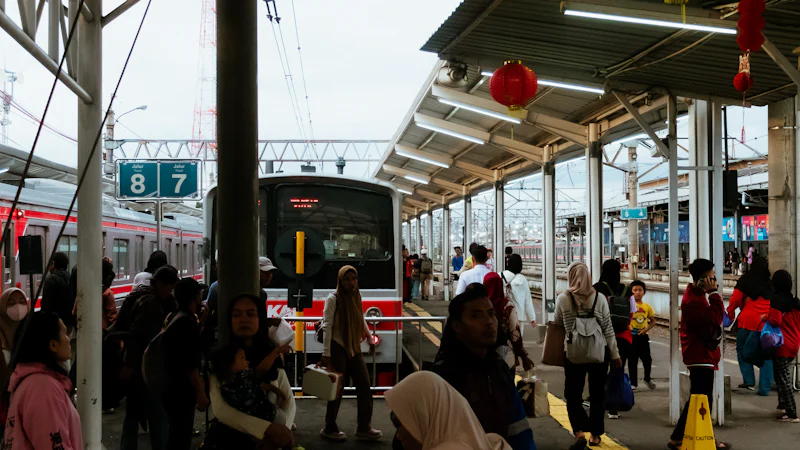
Avoid the 'Big Five' at all costs: the Great Wall (Badaling section), the Forbidden City in Beijing, the West Lake in Hangzhou, the Bund in Shanghai, and the Terracotta Warriors in Xi’an. During peak holiday periods, daily visitor caps are often hit by 9:00 AM. For example, popular sections of the Great Wall can see upward of 80,000 visitors in a single day, leading to 'human gridlock' where you may spend four hours waiting just to move a few hundred meters. Always check the 微信 (WeChat) mini-program for each site to see if they require advance reservation; if you haven't booked a ticket at least one week in advance, you will likely be turned away at the gate.
Why Secondary Cities Are Superior
Instead of fighting crowds in Tier 1 cities, look for 'Third or Fourth Tier' cities. Places like Quanzhou in Fujian, Yanji in Jilin, or the mountainous regions of Guizhou offer deep cultural immersion without the holiday crush. These regions are rarely the primary targets for mass domestic tour groups. When booking your transit, use 携程 (Ctrip) to track train availability. If high-speed rail tickets are sold out for your desired route, consider regional buses or flying into a smaller provincial airport, which often remains functional even when major hubs are overwhelmed.
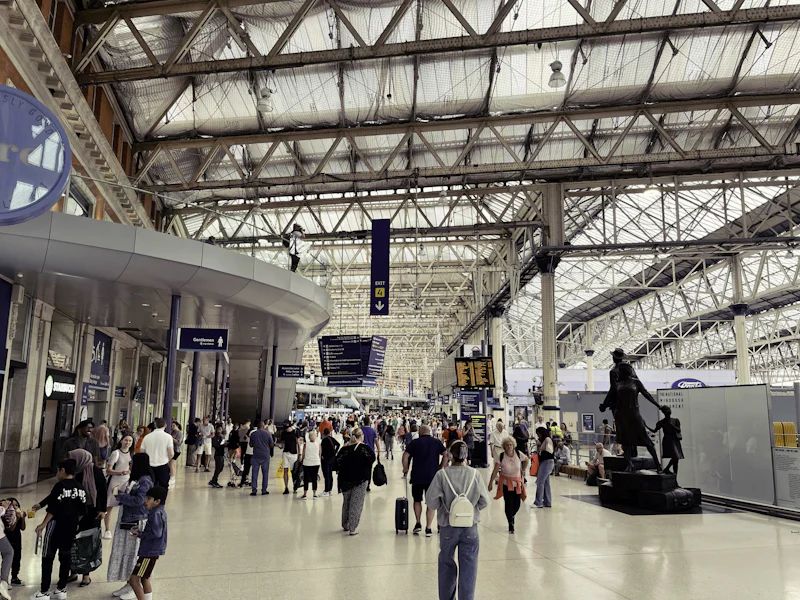
Navigating Travel Logistics Under Pressure
Preparation is your primary defense against holiday chaos. Use 支付宝 (Alipay) to manage your travel insurance and digital transportation passes. If you insist on traveling during these times, book your accommodation at least 14 days in advance; hotel prices during 'Golden Week' can triple compared to the off-season. Always pack a 'survival kit' that includes high-energy snacks, a portable power bank, and enough water, as dining at major tourist sites often involves two-hour queues for substandard food.
Strategic Flexibility as a Backup Plan
If you find yourself in an overcrowded situation, have a 'Plan B' ready. Research two or three local parks or museums that are off the main tourist map. Most cities have excellent district-level museums that offer a window into history without the crushing crowds of the national-level institutions. If a site looks crowded on your map, trust your instincts and pivot to a neighborhood or a park nearby where locals are actually spending their holiday time.
To ensure a stress-free holiday, prioritize obscure, regional destinations over world-famous sites to avoid the crushing domestic tourism surge. Which lesser-known town or city have you visited that felt completely untouched by typical holiday crowds?
Quick Takeaways:
- Avoid the 'Big Five' tourist sites during any major national Chinese holiday period.
- Always book your museum and attraction tickets at least one week in advance.
- Use local third-tier cities to experience authentic culture without the massive tourist crowds.
- Track high-speed train availability using the Ctrip app to avoid last-minute transit failures.
#travelchina #expatchina #holidaytips
