Pursuing a master’s degree in China for research can be a transformative academic experience, but its career value depends entirely on your ability to navigate the unique social and technical dynamics of a Chinese laboratory. While English-taught programs at top-tier institutions provide access to world-class facilities and significant funding, the transition from classroom theory to active lab research requires a proactive approach to overcoming linguistic and cultural barriers. Success here is measured less by your thesis and more by how effectively you integrate into the local academic hierarchy and professional network during your two to three-year tenure.
The Reality of Lab Integration
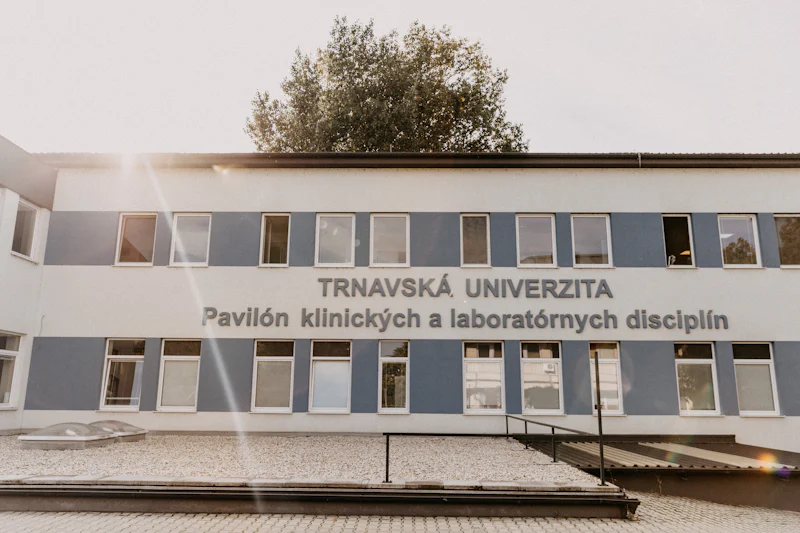
Most international students find themselves as the sole foreigner in their lab group. In Chinese research culture, the 导师 (dǎoshī), or academic supervisor, holds significant influence over your daily workflow and career trajectory. Unlike Western labs that emphasize independent research, labs here often operate under a top-down structure. You must be prepared to participate in weekly meetings, which are almost exclusively conducted in Mandarin. Even if your program is officially in English, technical proficiency in Chinese is the key to building rapport with your peers and lab technicians. Without at least HSK 4-level communication, you will likely miss out on the informal knowledge sharing and collaborative opportunities that occur during coffee breaks or team dinners.
Leveraging Research Infrastructure
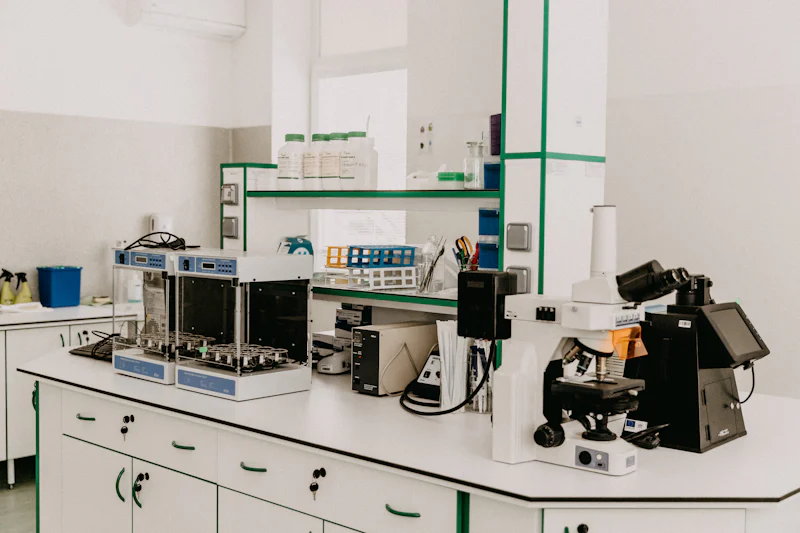
China invests heavily in science and technology, meaning you will often have access to equipment that is prohibitively expensive or rare in many Western universities. Projects related to AI, material science, and renewable energy are particularly well-funded through national programs like the 双一流 (shuāng yī liú), or Double First Class University Plan. Use this to your advantage by focusing on research topics that utilize these high-end facilities. Being able to list specific expertise in operating rare machinery on your CV creates a tangible competitive advantage. Document every milestone and publication attempt, as Chinese research output is high-volume and expected to be continuous throughout your degree.
Networking and Career Prospects
Career prospects post-graduation in China are often tied to the university’s prestige and your ability to leverage the school’s alumni network. If you intend to stay in the country, start attending local industry expos or university career fairs as early as your second semester. Use platforms like WeChat to stay connected with fellow researchers and professors. If you plan to return home, emphasize the cross-cultural experience and your ability to work within a high-pressure, non-Western research environment. Recruiters value international experience, but you must be ready to articulate how your time in a Chinese lab prepared you for global collaborative challenges.
Navigating Administrative Hurdles
Dealing with local bureaucracy, such as the 出入境管理局 (chūrùjìng guǎnlǐ jú), or Exit and Entry Administration, is part of the expat researcher life. Your visa, research permits, and institutional registration require constant monitoring. Misplacing a single stamped document can delay your research for weeks. Maintain a physical folder of all university correspondence and keep digital backups on 百度网盘 (Baidu Wangpan) for easy access. Being organized with your administrative life reduces the stress of your actual academic workload.
Understanding that your research contribution is only half the battle is the most important lesson for any foreign master's student in China. How are you balancing the high-intensity requirements of your lab work with the need to acquire sufficient Mandarin skills for effective daily communication?
Quick Takeaways:
- Master basic technical Mandarin to build rapport with your lab colleagues and dǎoshī.
- Leverage world-class equipment provided by Double First Class universities to enhance your resume.
- Document all administrative tasks and keep physical copies of essential research-related visa documents.
- Attend industry events to expand your professional network beyond the university campus environment.
#studyinchina #researchcareer #academicchina
